

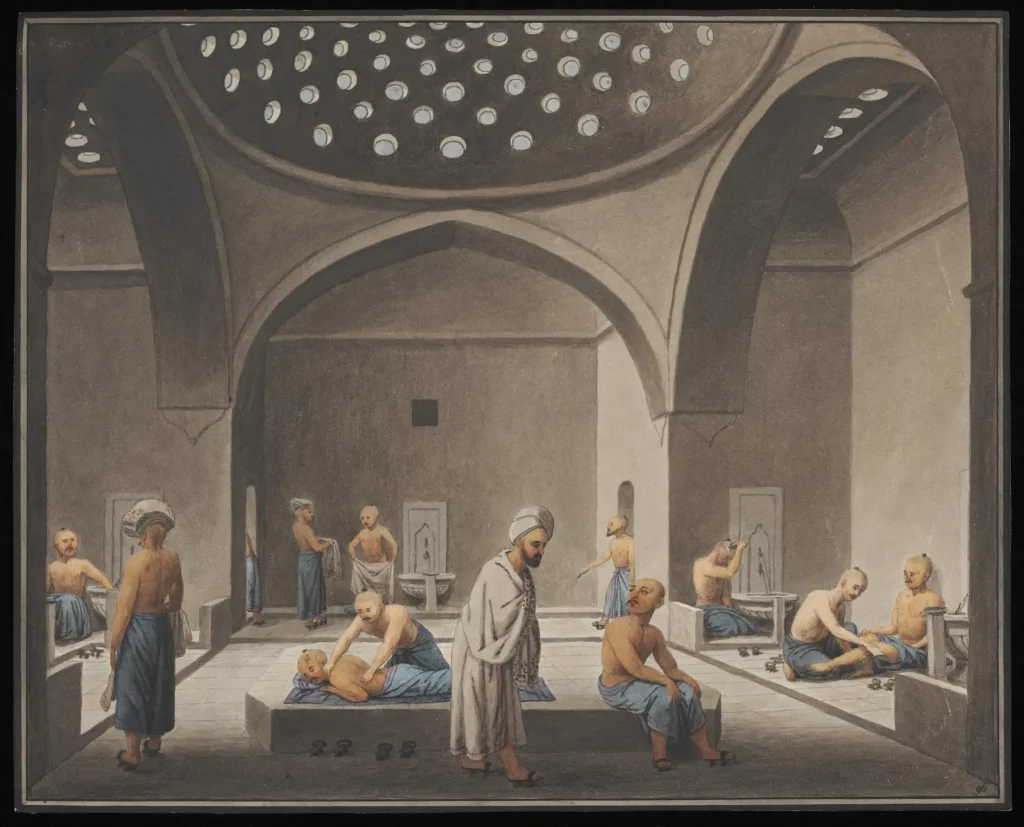
History of the Turkish Bath begins as a story of public health, social ritual, and architectural beauty. Across centuries, the bathhouse has been more than a place to cleanse the body; it has served as a civic space, a salon for conversation, and a sanctuary for well-being. This arc travels from ancient cleansing traditions that moved through the Roman era and Islamic influences to a modern spa culture that blends heritage with contemporary wellness. In exploring these layers, the focus shifts from steam and marble to the rituals that shaped daily life, community ties, and personal care. Today, the practice informs spa aesthetics and wellness ideas worldwide, expanding traditional hospitality into diverse settings.
From the Ottoman hammam to modern wellness spaces, the idea centers on balance between heat, water, and social ritual. This tradition thrives within hammam culture, where architecture, tilework, and fragrant oils frame a communal cleansing sequence. As travelers explore Turkish spa traditions, they encounter a continuum of therapies from exfoliation rituals to steam therapies. A closer look at Turkish bath history reveals how public wellness evolved into private, boutique experiences while preserving Turkish bath benefits such as circulation and cleansing. Today, these threads inform History of the Turkish Bath, connecting heritage with modern relaxation and holistic care.
History of the Turkish Bath: Origins, Influences, and Early Rituals
Origins stretch from late antique public bathhouses through Islamic cities, where the idea of cleansing intersected with health, hospitality, and social ritual. The History of the Turkish Bath signals a long arc that carries Roman bathing ideas into Ottoman sensibilities, then into today’s awareness of wellness and sociability. This fusion of engineering ingenuity with local Middle Eastern spa customs produced a model in which heat, water, and communal care meet in a single ceremonial space, shaping daily life and collective well‑being.
In these early stages, the pillars were established: privacy alongside communal exchange, a rhythm of cleansing followed by relaxation, and spaces designed to host conversations, guests, and neighborly exchange. As architecture evolved across regions, the hammam tradition kept its core purpose—nurturing well‑being—while embracing new materials, heating methods, and stylistic currents that reflected broader cultural shifts and the enduring appeal of public hygiene as a social act.
Hammam Culture in the Ottoman Era: Architecture, Social Life, and Community
During the Ottoman era, the hammam reached a grand scale in urban centers like Istanbul, becoming public theaters of daily life. Ottoman hammams were more than facilities; they were social venues where families and neighbors gathered, celebrated, and exchanged news within a carefully choreographed setting. The architecture and ritual of hammam culture turned bathing into a civic and ceremonial act that reinforced community ties and mutual care.
An orderly progression of spaces—cool anterooms, warm rooms, and hot halls—guided bathers through a shared ritual. Although many hammams observed gender‑segregated hours, the social fabric endured in the warmth of steam, the scent of soap and oils, and the companionship of attendants and fellow bathers. This fusion of health culture with everyday life elevated hygiene into a form of hospitality, trust, and collective well‑being that endured across generations.
Ottoman Architecture and the Three-Stage Ritual: Design, Heating, and Experience
Architecture in the Ottoman hammam fused form and function, with domed ceilings to optimize steam, mosaic and polychrome tilework, and marble slabs that offered surfaces for massage and rest. Heating systems—furnaces and radiant stone—drew heat through the rooms in a deliberate three‑stage progression from cool to warm to hot. This design created a tactile and sensory journey that balanced ceremonial ritual with technical expertise and comfort.
The experience extended beyond temperature: the clatter of water, the scent of oils, and the glow of lamps reflected on warm surfaces as bathers participated in cleansing, exfoliation, and restorative touch. These elements defined hammam culture as a holistic model of well‑being—where architecture, ritual, and social exchange merged to support vitality, stress relief, and a sense of renewal that could be felt in body and mind.
Turkish Spa Traditions and Modern Wellness: Evolution into Global Spa Culture
From the 18th and 19th centuries onward, Turkish spa traditions were revived and reimagined as cities modernized and tastes shifted. Hammams were redesigned to attract wealthier patrons and international visitors, while others retained intimate neighborhood atmospheres. The encounter with Western spa ideas broadened stylistic horizons, yet the core promise persisted: a space where heat, water, and hospitality converge to renew body and spirit and to maintain a sense of Turkish cultural identity within global wellness dialogues.
Today’s Turkish spa traditions continue to influence global wellness aesthetics. Modern hotels and wellness centers preserve domed ceilings, marble surfaces, and steam‑forward rooms, while adding aromatherapy, bespoke facials, and advanced massage techniques. The result is a harmonious blend of heritage and contemporary comfort that keeps hammam culture alive in a rapidly changing spa landscape and reinforces Turkey’s role in shaping international spa narratives.
Turkish Bath Benefits: Health, Skin, and Social Well‑Being
Turkish bath benefits extend beyond cleansing; they include improved circulation, relief from muscular tension, and a sense of physical renewal that supports overall vitality. The regulated three‑stage progression through cool, warm, and hot spaces helps promote sweat, detoxification, and relaxation—benefits repeatedly cited by practitioners and travelers exploring the Turkish bath experience and its contributions to holistic health.
Beyond physical effects, the ritual reinforces skincare, mindfulness, and social connectedness. Exfoliation, massage, and communal conversation contribute to a holistic sense of well‑being that many seekers describe as restorative and renewing. By preserving its core values—courtesy, ritual cleanliness, and communal well‑being—the Turkish bath remains a timeless wellness practice with tangible benefits for body, mind, and community, echoing the enduring appeal of hammam culture in modern life.
Frequently Asked Questions
What is the History of the Turkish Bath and how did it shape Ottoman hammam architecture and social life?
The History of the Turkish Bath reveals a long arc from public health to social ritual. In the Ottoman hammam, architecture and process—domed ceilings, marble slabs, and a three-stage sequence of cool, warm, and hot rooms—supported a distinctive hammam culture centered on cleanliness, hospitality, and community. Across centuries, this blend of design, ritual, and social space helped define wellness as a shared, ceremonial practice.
How did hammam culture reflect public health and daily rituals within the History of the Turkish Bath?
Hammam culture linked hygiene with social life, turning cleansing into a communal ritual rather than a solitary chore. The History of the Turkish Bath shows how visits structured daily life, seasonal ceremonies, and neighborhood ties while promoting well-being. Attendants, heated rooms, and a sequence of cleansings underscored the belief that regular spa-like care supported vitality.
What are the core stages of the Ottoman hammam and how do they relate to Turkish spa traditions?
The Ottoman hammam follows a cool room, warm room, then hot room progression, a hallmark of the History of the Turkish Bath. This sequence harmonizes heat, humidity, and cleansing rituals that underpin Turkish spa traditions. The architecture and rituals turned bathing into a purposeful, restorative experience as part of hammam culture.
How has the History of the Turkish Bath influenced modern spa design and what are the Turkish bath benefits seen today?
Modern spas borrow domed spaces, marble surfaces, and steam-forward atmospheres from the History of the Turkish Bath. The hammam heritage informs cleansing rituals, exfoliation, and massage practices that are now common in Turkish spa traditions worldwide. Reported Turkish bath benefits include improved circulation, relaxation, and refreshed skin, echoing centuries of wellness thinking.
Why does hammam culture endure as a global wellness tradition, and how does it adapt within contemporary Turkish spa traditions?
Hammam culture endures because heat, water, and hospitality offer a balanced, multi-sensory experience. The History of the Turkish Bath informs modern spa culture about ritual cleanliness, social connection, and architectural beauty while adapting to new wellness expectations. Today’s Turkish spa traditions blend heritage with contemporary comfort, ensuring the hammam remains relevant across borders.
| Aspect | Key Points |
|---|---|
| Origins and early influences | Roots in late antique and Islamic bathhouses; structured ritual (purifying immersion, warmth, exfoliation) and social exchange; fusion of Roman bathing ideas with Middle Eastern practices; emphasis on cleanliness, privacy, and communal interaction. |
| Ottoman period and architecture | Urban hubs like Istanbul; hammams as public theaters for daily life; layout from cool anteroom to warm chamber to hot hall; domed ceilings; tilework and marble; hammam culture shaping social networks. |
| Rituals and health | Choreography of cleansing, warming, and massage; gender-segregated hours; social exchange within steam-filled spaces; heat and humidity encourage sweating and relaxation; attendants’ touch offers therapeutic benefits; regular visits linked to vitality. |
| Architecture and design features | Domed ceilings optimize steam; polychrome tilework; stonework; marble slabs; sensory soundscape of water and lamplight; architecture enhances ritual and hospitality. |
| Modernization and revival | 18th–19th centuries revival and redesigns for wealthier patrons and international visitors; mingling with Western spa ideas; some hammams retain neighborhood character; core three-stage concept persists. |
| Global influence and modern spa culture | Hammam-inspired interiors in spas worldwide; influence on cleansing rituals, exfoliation, and massage; steam-forward aesthetics and ritualized hospitality inform global wellness design. |
| Cultural significance and social life | Hammams as civic spaces and salons; networks of family and neighbors; hospitality and communal rituals embedded in daily life; cross-cultural influence through travel and tourism. |
| Enduring relevance and world wellness | Living tradition adapting to new generations and settings while preserving courtesy, ritual cleanliness, and communal well-being; History of the Turkish Bath informs contemporary spa design and wellness thinking globally. |
Summary
History of the Turkish Bath reveals a living tradition that blends public health, social rituals, and architectural beauty with modern spa culture. The hammam tradition originated in late antique and Islamic cities and matured through the Ottoman era into a sophisticated network of spaces, rituals, and social life, before evolving into contemporary wellness experiences that travel worldwide. Architecturally, domed ceilings, marble slabs, and tilework create a sensory stage for a three-stage sequence of cool, warm, and hot environments that accompany cleansing, relaxation, and massage. Socially, hammams served as civic spaces and salons—places for conversation, hospitality, and community ties as much as for personal care. Today, the History of the Turkish Bath informs global spa aesthetics, cleansing rituals, and wellness thinking, while preserving core hammam values of courtesy, ritual cleanliness, and communal well-being. In short, it is a living tradition that adapts to new generations and settings yet remains a symbol of balance between heat, water, and human connection.