

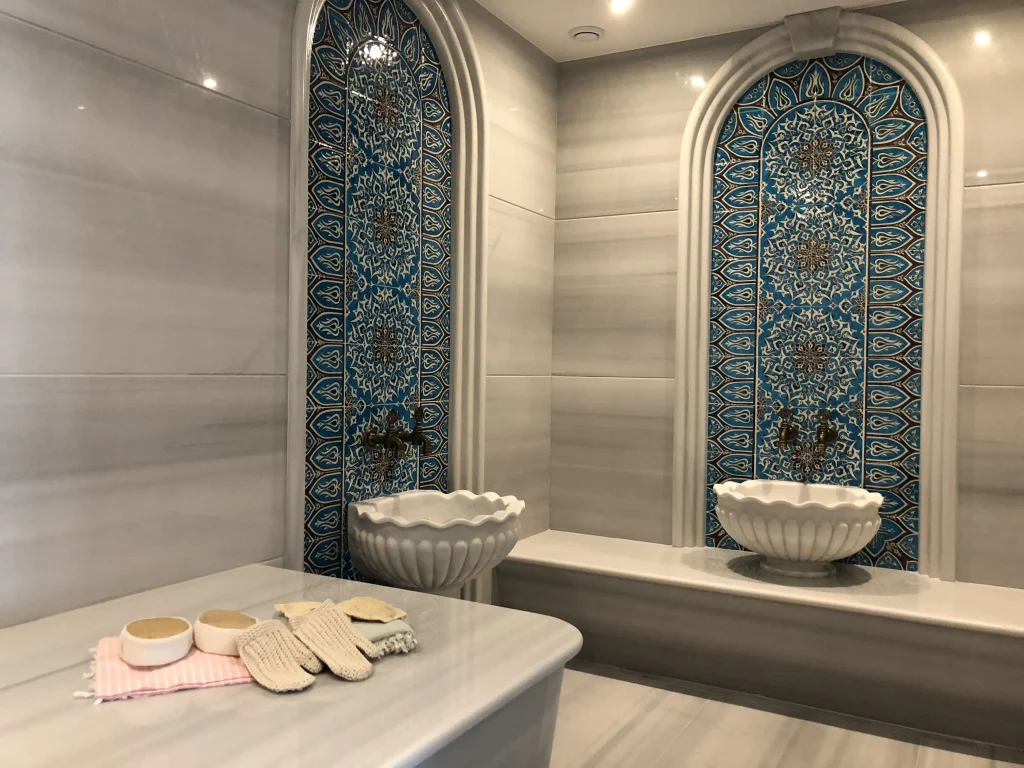
DIY Turkish hammam opens the door to a spa-like ritual you can perform in your own bathroom. This experience blends cleansing, exfoliation, and mindful breathing as part of a Turkish steam ritual, inviting calm as heat and steam soften the skin. With a few simple tools and a quiet moment, you can recreate a luxurious, authentic ambiance without big cost. The ritual centers on heat, humidity, cleansing, exfoliation, and moisture that nurture body and spirit. As you progress, you’ll notice a subtle glow and a renewed sense of balance after this compact practice, welcoming calm evenings that carry into your day with lighter steps.
In other words, this Turkish bath-inspired steam ritual is a portable wellness routine you can recreate in a typical bathroom. Think of a home spa day built around heat, humidity, and careful cleansing, an intimate wellness ritual that elevates ordinary showers into meditative care. The experience is often described as a domestic spa session that prioritizes slow movement, skin-softening steam, and natural oils to seal moisture. The aim is to emulate the ceremonial cadence of a traditional hammam while adapting to your space and schedule. With patience and the right setup, you can enjoy a rejuvenating steam bath at home that nourishes both body and mind.
DIY Turkish hammam at Home: A Guided Turkish Steam Ritual for a Personal Spa Day
Launching a DIY Turkish hammam at home turns your bathroom into a sanctuary where the Turkish steam ritual can unfold with intention. For a focused home spa day, gather a soft kese or exfoliating mitt, a natural olive oil soap, a light scrub, and a hydrating oil. This setup proves that a hammam-inspired experience is an accessible at-home spa idea that fits your schedule and budget while honoring tradition.
Start with heat and humidity to open pores, then move through cleansing, exfoliation, and moisture. A steady, mindful rhythm—breathing with the steam, slow sweeps of the kese, and a nourishing oil finish—transforms ordinary bathing into a sensory ritual. If you’re seeking a steam bath at home that feels luxurious but practical, this sequence is your blueprint.
Set Up a Spa-Grade Space: Building a Warm Hammam Atmosphere for Hammam at Home
Create a warm, steamy corner that supports relaxation without turning your bathroom into a sauna. Position a non-slip mat, a wooden bench or stool, and soft lighting to mimic the hammam atmosphere. Use towels as barriers to protect skin, and place a bottle of grapeseed or olive oil within easy reach. This careful setup makes the hammam at home feel like a dedicated spa zone within your regular bathroom, perfect for a regular home spa day.
Add scent with diluted eucalyptus or citrus oils and keep the space calm with quiet music or nature sounds. The goal is a safe, controlled humidity level that supports cleansing and exfoliation while preserving comfort. With thoughtful product choices and a serene environment, you unlock simple at-home spa ideas that consistently support self-care without demanding a full spa environment.
Step-by-Step Ritual: Cleansing, Exfoliation, and Moisture for Glowing Skin
Begin with a warm shower to raise body temperature and begin loosening surface oils. Move to a gentle cleansing using a mild olive oil soap or fragrance-free wash, focusing on shoulders, back, arms, and legs. This stage transitions naturally into exfoliation using a kese or mitt, where long sweeping motions over elbows, knees, and heels lift away dead skin and reveal a smoother canvas.
After exfoliation, return to a brief steam refresh, then rinse lightly and pat dry. While skin is still slightly damp, apply a nourishing oil or moisturizer to seal in moisture. The ritual’s final moments invite mindful breathing and a cooling-down period, aligning the body with the calm rhythm of the Turkish steam ritual even within your at-home spa routine.
Choosing Products and Tools for Safe, Effective At-Home Treatments
Select products with simple, skin-friendly ingredients to support the hammam process without irritation. A mild olive oil soap, a light sugar- or salt-based scrub, and a non-greasy oil such as grapeseed work well for most skin types. Pair these with a kese, a soft loofah, and clean towels to maintain hygiene and maximize exfoliation efficacy in the home setting.
Consider essential oils carefully, diluting them in a carrier oil and stopping use if skin irritation occurs. Replace mitts regularly to prevent bacteria buildup, and test new products on a small patch of skin. These practical safety steps keep your at-home spa day enjoyable and effective while aligning with the broader principles of hammam at home.
Enhance Your Routine with Variations, Aromas, and Mindful Cooling
Explore variations like pre-steam hair protection and a post-exfoliation mask to deepen the experience. Aromatic additions such as lavender, eucalyptus, or citrus oils can heighten the sensory dimension of your home spa day, provided they are properly diluted in a carrier oil. These enhancements help you personalize the ritual while staying true to the balance of heat, humidity, cleansing, and moisture.
Finish with mindful cooling—hydration, deep breaths, and light stretching—to maintain tranquility after the steam. With consistent practice, your at-home spa ideas evolve into a sustainable routine that resembles a Turkish steam ritual while fitting your living space and schedule.
Frequently Asked Questions
How do I start a DIY Turkish hammam for a relaxing home spa day?
A DIY Turkish hammam is a home spa ritual that follows heat, humidity, cleansing, exfoliation, and moisture. Begin with a warm shower to raise body temperature, cleanse with a mild olive oil soap, exfoliate with a kese or mitt, then introduce steam, and finish by applying oil while the skin is still damp. Keep sessions mindful and 20–30 minutes, adjusting heat to your comfort to support relaxation and skin health.
What is the Turkish steam ritual in a hammam at home, and what tools do I need?
The Turkish steam ritual translates to a sequence of heat, humidity, cleansing, exfoliation, and moisture in a hammam at home. Essential tools include a kese or exfoliating mitt, a mild olive oil soap or body wash, a soft towel, a non-slip surface or bench, and a light oil (grapeseed or olive) for moisture. Hydration and gentle, patch-tested products help keep the experience safe and authentic.
What common mistakes should I avoid when doing a steam bath at home as part of my at-home spa ideas?
Common mistakes include over-steaming, scrubbing too aggressively, skipping patch tests, using harsh fragrances, and neglecting hydration. Also avoid using dirty tools and skipping a proper rinse after exfoliation. Tailor temperature to your body, keep sessions shorter if you have sensitive skin, and listen to your body throughout the routine.
Which products and techniques work best for exfoliation and moisture in a DIY Turkish hammam and a home spa day?
For exfoliation and moisture, use a kese or soft mitt with a gentle scrub, a mild olive oil soap for cleansing, and a lightweight oil (grapeseed or olive) to seal moisture. After exfoliating, rinse, apply oil while skin is damp, and finish with a light moisturizer. Optional at-home spa ideas include adding a mild facial treatment or a hydrating mask after the main steps for a fuller home spa day.
How long should a typical DIY Turkish hammam session last, and how can I maintain a mindful routine for at-home spa ideas?
Aim for 20–30 minutes per session, adjusting to your schedule and comfort. Maintain a mindful routine with slow, deliberate movements, focused breathing, and a calming environment to extend the relaxation. Hydrate before and after, and schedule regular hammam sessions to establish a steady, at-home spa ideas practice.
| Key Point | Description |
|---|---|
| What is DIY Turkish hammam? | A home spa concept bringing the ancient Turkish steam ritual into your bathroom; more than a steam room—it’s a ceremonial approach to cleansing, exfoliating, and relaxing the body and mind. |
| Core ritual sequence | Heat, humidity, cleansing, exfoliation, and moisture to open pores, loosen dead skin, and promote relaxation. The DIY approach adapts the ritual to your space and preferences. |
| Benefits | Stress reduction, improved circulation, smoother skin, mood boost; promotes slower, deeper breathing and mindful self-care. |
| Space and tools | Warm, steamy, calm environment; non-slip surfaces; seating; kese or mitt; olive oil soap; body scrub; natural oil; moisturizer; soft lighting and a gentle scent. |
| Step-by-step overview | 1) Warm shower and steam buildup 2) Soothing cleansing 3) Exfoliation with kese/mitt 4) Steam refresh and rinse 5) Moisturize 6) Mindful cooldown and hydration. |
| Products to choose | Mild olive oil soap or fragrance-free wash; natural body scrub; light-to-medium weight oils (grapeseed or olive); hydrated lotion; towels and mitts. |
| Variations and enhancements | Hair care, gentle face treatment, masks/wraps, and aromatherapy to tailor the experience. |
| Safety considerations | Hydration; temperature awareness; skin tolerance; patch testing for new products; hygiene; consult a clinician if medical conditions exist. |
| Sustainable at-home ritual | Establish a regular day/time; keep sessions mindful and non-rushed; even 20–30 minutes offer meaningful benefits. |
| From technique to atmosphere | The overall experience is the quiet pace, tactile textures, and self-care ritual that honors Turkish tradition while fitting modern life. |
Summary
DIY Turkish hammam offers a practical path to transform a bathroom into a serene home spa by combining heat, humidity, cleansing, exfoliation, and moisture in a mindful sequence.